

Advancing Epilepsy Research Through Genetic Insights
This story was originally published in the March 2026 issue of the Breakthroughs newsletter.
Epilepsy is one of the most common neurological disorders affecting nearly one percent of people worldwide. A complex genetic cause is suspected in approximately two-thirds of cases, but in children, most of all epilepsy diagnoses involve single genes. These early-onset epilepsies disrupt brain development and impact quality of life leading to substantial burdens on the family and society.
The Department of Pharmacology at Feinberg is leading research to understand the genetic causes of childhood-onset epilepsy, and to investigate what is happening perinatally to brain development in these cases. These efforts provide important new insights into cellular and molecular mechanisms of childhood epilepsy and related neurodevelopmental disorders, and accelerate discovery of novel therapeutic strategies that can modify disease outcomes long term.
Three laboratories in the department have received generous new grant support from the National Institute of Neurological Diseases and Stroke (NINDS) at the National Institutes of Health (NIH) to drive these research efforts. These new grants are a testament to the groundbreaking studies being conducted in the department by internationally recognized leaders in this field.
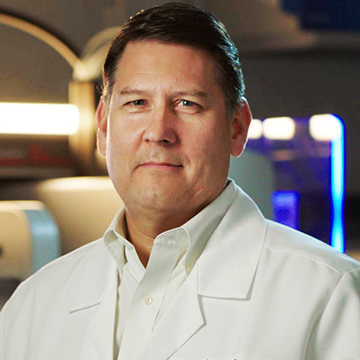
Alfred L. George, Jr., MD, chair and Alfred Newton Richards Professor of Pharmacology, leads the department as well as his own research program that seeks to investigate specific gene mutations in epilepsy. He has been a pioneer in elucidating the genetics and pathogenesis of channelopathies, disorders caused by mutations in ion channel genes that are prominent in early childhood epilepsy.
In 2018, George received a five-year grant from the NINDS to build a Channelopathy-Associated Epilepsy Research Center. Referred to as a “center without walls,” the effort led to another recent grant award in partnership with Evangelos Kiskinis, PhD, associate professor of Neurology, and Anastasios Tzingunious, PhD, at the University of Connecticut. George and his team are focusing on a group of related potassium channel genes (KCNQ2, KCNQ3, KCNQ5) that are prevalent causes of early childhood epilepsy and neurodevelopmental disorders and are important targets for pharmacological treatments of epilepsy.
According to George, KCNQ2-related epilepsy is one of the most discovered genetic disorders in newborns with seizures.
“We know a lot about the general disease-causing mechanisms, but there are gaps in our knowledge. In particular, the contributions of the related genes KCNQ3 and KCNQ5 are less clear,” George said. “The severity varies among individuals with KCNQ2-related epilepsy, and these other genes may be factors to explain this variability and could be important considerations when designing new drugs. Our ultimate goal is to understand brain development in these conditions and offer new strategies to improve quality of life for affected children.”
George and his team have pioneered an electrophysiological technique called automated patch clamp recording, which allows scientists to determine the precise functional consequences of genetic mutations in ion channels, which offers direct evidence of the molecular disease mechanism. It is an automated process that allows for up to 384 cells to be processed at a time in contrast with tradition one-cell-at-a-time methods. Because there are more than 1,000 mutations, it’s important to be able to process them in large quantities to better capture the functional landscape of individual epilepsy genes.
“We need to study enough of the known variants to understand the range and type of dysfunction so that we can pivot to testing drugs and other investigational molecules to restore normal function,” George said.
Studying these genes is George’s life’s work and working on federally-funded grants as well as with several family-led foundations and advocacy organizations, gives deeper meaning to the research. George works with foundations like the KCNQ2 Cure Alliance based out of Denver and serves as the chair of their scientific board to guide their research priorities.
Expanding Genetic Insights in Epilepsy
Jennifer Kearney, PhD, associate professor of Pharmacology, is similarly focused on identifying the genetic determinants of childhood epilepsy. In August 2025, she received the Jacob Javitz Neuroscience Investigator Award from the NINDS to investigate the functional genetic basis of KCNB1 encephalopathy.
This award builds upon Kearney’s ongoing research into rare genetic epilepsies and their underlying pathophysiological mechanisms. Prior to this new funding, her lab had characterized approximately 30 KCNB1 genetic variants associated with epilepsy. With the expanded resources, the team will now be able to analyze nearly 400 variants, substantially increasing the breadth of functional data available, and delving into a deeper understanding of epilepsy trajectories.
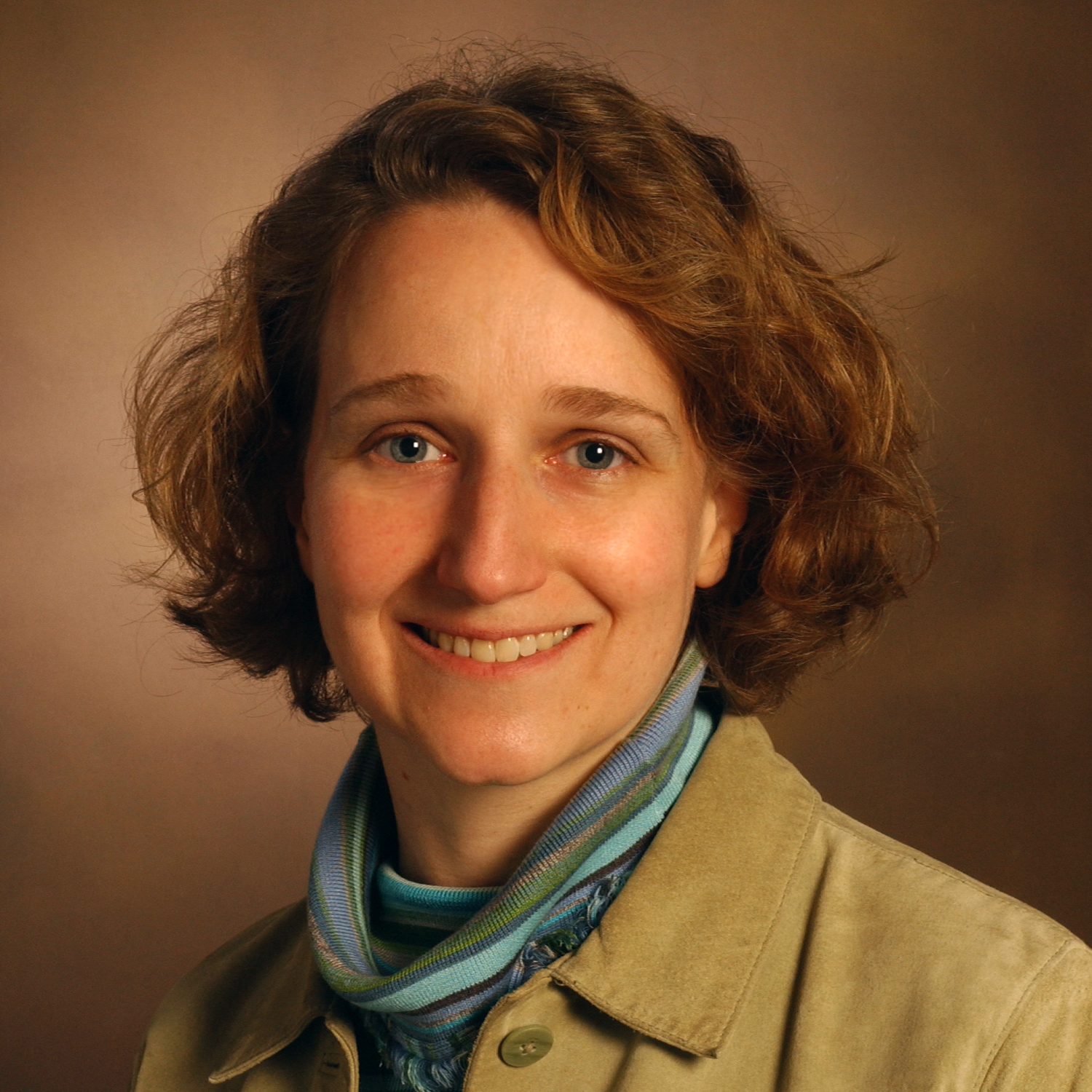
The project leverages high-throughput technologies, including automated patch clamp recording and resources from the Flow Cytometry Core Facility, to systematically evaluate large numbers of gene variants. The grant provides critical support for this scale-up, allowing the lab to assess how specific mutations alter protein function and to generate insights that can guide future scientific and therapeutic directions.
All resulting data will be shared in publicly accessible databases, providing an evidence base for genetic counselors who work with families affected by these rare mutations. A key objective of the research is to categorize genetic variants according to their functional impact, thereby informing the development of precision therapeutic strategies.
According to Kearney, an important and distinctive aspect of this work is the active partnership with clinical collaborators from institutions around the world, patient advocacy groups and families living with these rare genetic conditions.
“The families are the experts for these rare disorders. They know more about the consequences of these mutations than we do,” she said. “This partnership is essential for advancing therapeutic development.”
Families often reach out to Kearney seeking information and sharing their lived experiences with the disorders. These conversations frequently shape research questions and provide a more nuanced understanding of genetic epilepsy.
Advancing Perinatal Approaches for Treating Epilepsy
Another investigator in the department is looking at how to treat epilepsy perinatally —before a child is born. Richard Smith, PhD, assistant professor of Pharmacology and of Pediatrics, received the NIH Director’s New Innovator Award to study ways to develop novel RNA-based therapeutics that target the brain in children with severe epilepsy sooner and more effectively than current personalized treatments.
The award offers support to high-risk and innovative research, and the timing is good as the FDA is starting to approve RNA therapeutics, according to Smith.
“It’s a very exciting time, and this is a new way to take the research, toward gene therapies that allow us to be more precise,” Smith said.
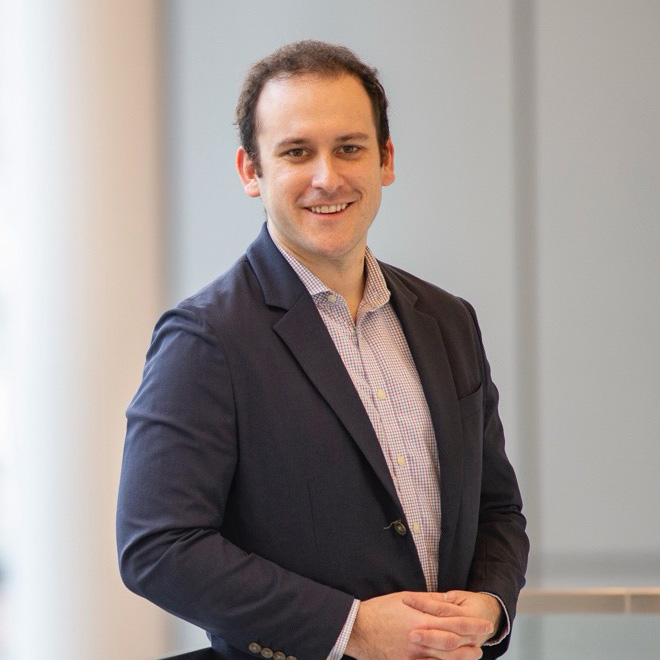
Smith also received a separate multi-year grant from the NINDS to study sodium channel dysfunction in large animal models. This work uniquely examines what happens to brain development during the prenatal periods. Smith said what’s happening in the prenatal period is still largely a “black box,” but his work is looking at the formation of the brain and specifically what is happening while it’s taking shape using animal models analogous to the human prenatal period.
“Our field and community need to be developing ways to treat severe neurodevelopmental disorders and epilepsy as early as possible, maybe in the womb,” Smith said.
Because brain damage is irreversible, Smith said, treating earlier can protect against encephalopathy, where the brain is misfiring and incurs damage during critical periods of early development. Defining the temporal window during which a gene mutation is active and determining whether targeted therapies can effectively repress its pathological impact is the goal of his work.
Overall, these awards build on established success in the department and move the research forward to better treat and understand the gene mutations that cause epilepsy and related neurodevelopmental disorders to inform better therapies and improve quality of life.
Legal Disclaimer:
EIN Presswire provides this news content "as is" without warranty of any kind. We do not accept any responsibility or liability for the accuracy, content, images, videos, licenses, completeness, legality, or reliability of the information contained in this article. If you have any complaints or copyright issues related to this article, kindly contact the author above.
